
 KRM Sonipat
Every year, students are told to solve sample papers and previous year papers before exams. Most students do it, but many still don’t see better marks. Why? Because they don’t use these papers the right way.
Just solving a paper and checking the answers is not enough. You need to understand your mistakes, find your weak topics, and learn how to manage your time in the exam hall.
In this article, you will learn simple and smart ways to use sample papers and previous year papers. Follow these tips, and you will feel more confident and ready for your exams.
Why Sample Papers and Previous Year Papers Are Important
These papers are among the best tools for board exam preparation. They show you what the real exam looks like and help you prepare in a smart way.
Understand the Exam Pattern
Papers tell you how many sections there are, what types of questions come, and how many marks each question carries. When you know the pattern, the exam will not surprise you.
Know the Marking Scheme
CBSE gives marks for steps, keywords, and correct presentation. Solving papers with the marking scheme helps you learn how to write answers that get full marks.
Find Repeated and Important Questions
Some topics and question types come again and again. Previous year papers help you spot these important areas so you can give them extra attention.
Difference Between Sample Papers and Previous Year Papers
Sample papers are released by CBSE every year before the exams. They show the latest pattern and any changes in the paper format.
Previous year papers are the actual papers from past board exams. They show what kind of questions were really asked and how difficult the exam was.
Use sample papers to understand the new pattern. Use previous year papers to practice real exam questions.
When Should You Start Solving Papers?
The best time to start is after you finish most of your syllabus, usually around November or December. Starting too early can make you feel nervous, because you will see questions from chapters you haven’t studied yet.
You can still solve chapter-wise questions from old papers while studying each chapter. Keep the full papers for the last two to three months before the exam.
Step-by-Step Guide to Using Papers the Right Way
Step 1: Finish the Syllabus First
Complete and revise your syllabus before solving full papers. This way, the paper will test what you know and show you real gaps, not chapters you haven’t read yet.
Step 2: Solve Papers in Real Exam Conditions
Sit at a table, set a timer for 3 hours, and keep your phone away. Don’t look at the book or answers. This builds speed, focus, and the stamina you need on exam day.
Step 3: Check Answers Honestly with the Marking Scheme
After finishing, check your paper using the official marking scheme. Be strict with yourself. If a step or keyword is missing, cut the marks. Honest checking shows you where you really stand.
Step 4: Make a Mistake Notebook
Write down every mistake you make, whether it’s a wrong formula, a silly error, or a concept you didn’t understand. Read this notebook before every exam. Over time, you will stop making the same mistakes.
Step 5: Work on Your Weak Topics
Look at your mistake notebook and find the topics where you lose the most marks. Go back to your textbook, revise those chapters, and practice more questions on them.
Step 6: Solve the Paper Again After Some Days
After one or two weeks, solve the same paper again. If you score better, your preparation is working. If not, you know those topics need more work.
How to Manage Time While Solving Papers
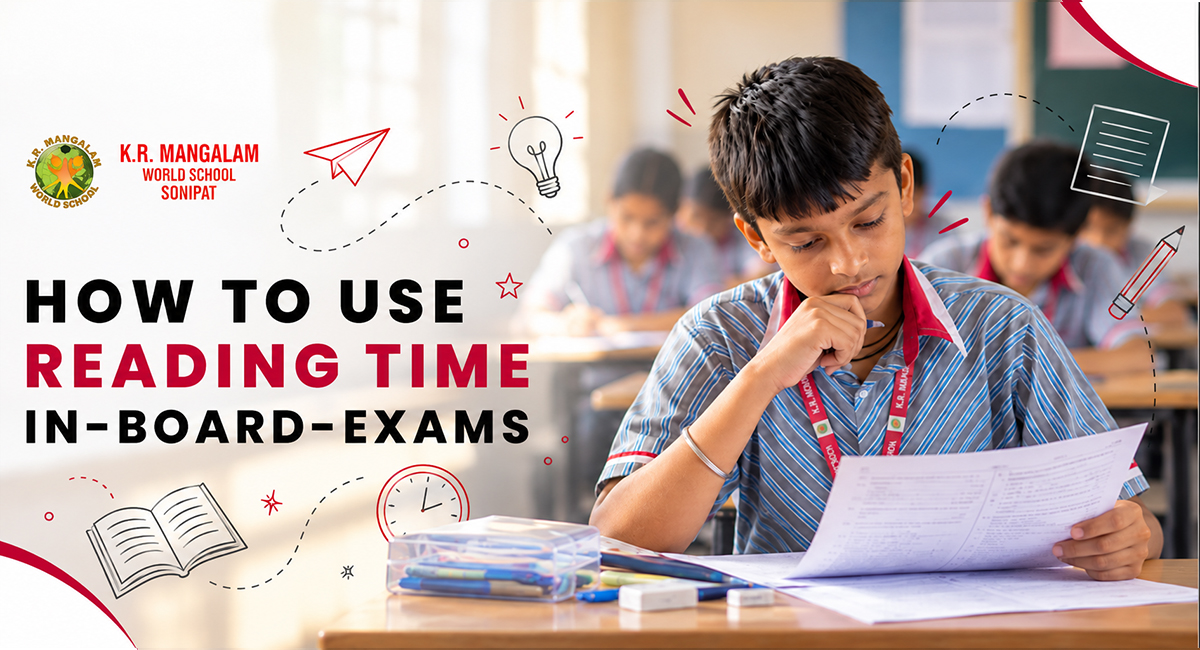
Read the Question Paper Carefully First
Use the first 15 minutes to read the whole paper. Mark the questions you know well and plan which ones to attempt first.
Divide Time for Each Section
Decide how much time to give each section based on its marks. Don’t spend too long on one hard question. Move on and come back to it later.
Keep Time for Revision at the End
Try to finish the paper 10 to 15 minutes early. Use this time to check your answers, correct small mistakes, and make sure you didn’t skip any question.
Common Mistakes Students Make with Sample Papers
Solving Too Many Papers Without Checking
Solving 20 papers without checking them is less useful than solving 5 papers and learning from every mistake. Quality matters more than quantity.
Looking at Answers Too Early
When you get stuck, it’s tempting to check the answer right away. Try to solve it on your own first. Struggling a little helps you learn and remember better.
Ignoring Presentation and Answer Writing
Many students know the answer but lose marks because of poor presentation. Write neatly, underline keywords, draw diagrams where needed, and follow the word limit.
How Many Papers Should You Solve Before Board Exams?
For each subject, try to solve the latest CBSE sample paper and at least 5 to 7 previous year papers. If you have time, solve more. Remember that checking and learning from each paper is more important than the total number you solve.
How Parents Can Help Students Practice with Papers
Parents can help by creating a quiet study space at home and keeping time during practice papers. They can also encourage children after a low score instead of scolding them. A calm and supportive home helps students feel more confident before exams.
How K.R. Mangalam World School Sonipat Prepares Students for Board Exams
At K.R. Mangalam World School Sonipat, students get regular practice tests, pre-board exams, and personal feedback from teachers. Our faculty helps every student understand their mistakes and improve step by step.
Checkout: Why Pre-Board Exams Matter
Want your child to learn in a supportive environment that focuses on results? Admissions are now open for 2027-28.
Conclusion
Sample papers and previous year papers can make a big difference to your board exam marks, but only when you use them the right way. Solve them in exam conditions, check them honestly, learn from your mistakes, and keep practicing. With a smart plan and regular effort, you can walk into your exam hall feeling calm and ready.
FAQs
Q.1. Are CBSE sample papers enough for board exam preparation?
No. Sample papers are very helpful, but you should also study your NCERT textbooks well and solve previous year papers for complete preparation.
Q.2. How many years of previous papers should I solve?
Solving papers from the last 5 to 7 years is usually enough. Focus more on recent papers, as they match the current pattern better.
Q.3. Do questions repeat from previous year papers?
Exact questions don’t usually repeat, but similar types of questions and important topics often come again. That’s why previous year papers are so useful.
Q.4. Where can I download official CBSE sample papers?
You can download official sample papers and marking schemes from the CBSE Academic website (cbseacademic.nic.in).