
 KRM Sonipat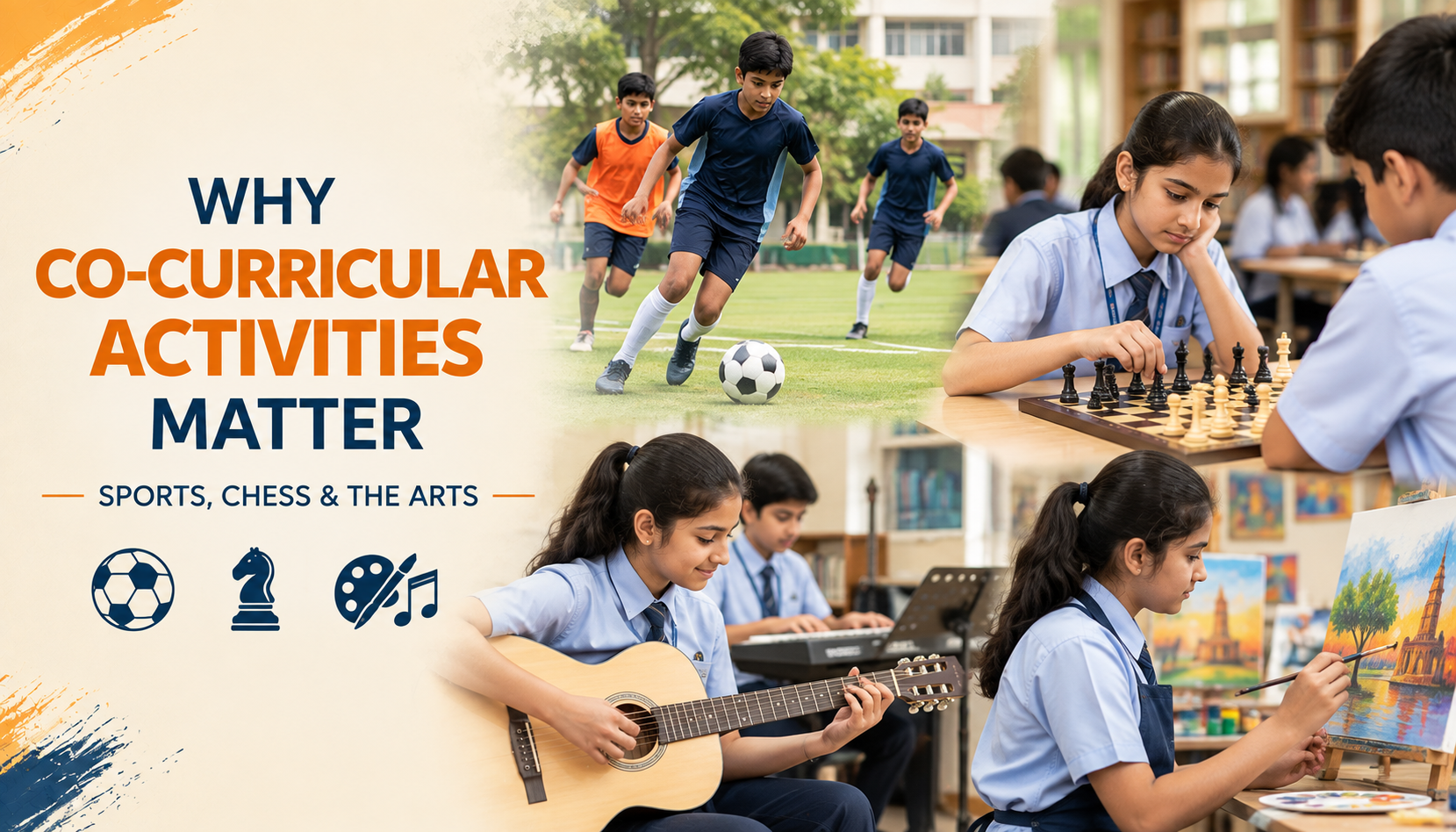
There’s a particular kind of parent worry that shows up around Class 6 or 7, the feeling that every hour not spent on textbooks is somehow a wasted one. If your child comes home from a chess club session or a football practice looking more tired than after a full day of classes, it’s easy to wonder whether that hour would have been better spent finishing homework instead. It usually wouldn’t have been. Co-curricular activities aren’t the break from real learning, for a lot of children, they’re where the real learning actually happens.
Why Co-Curricular Activities Matter?
The term gets used loosely, so it helps to define it plainly, co-curricular activities are structured activities that run alongside a school’s academic curriculum, rather than replacing it. They’re not extracurricular in the sense of being separate or optional add-ons squeezed in after school hours; at most well-run schools, they’re built into the timetable itself, with dedicated periods, trained instructors, and progress tracked much like any academic subject.
A co-curricular activity, on the other hand, is designed by the school to work alongside classroom learning, reinforcing skills like discipline, teamwork, and creative thinking that textbooks alone don’t fully build.
Why Are Co-Curricular Activities Necessities not Optional?
Report cards measure a narrow slice of what a child is capable of. They tell you how well a student can recall a formula or structure an essay under exam conditions. They don’t tell you whether that same child can lose a match gracefully, lead a group project without steamrolling everyone else’s ideas, or sit with a problem for twenty minutes without giving up. Children who spend all their structured time on academics alone tend to burn out faster and show less resilience when they hit a difficult exam or a setback.
What Falls Under Co-Curricular Activities
The category is broader than most parents realize. It typically includes:
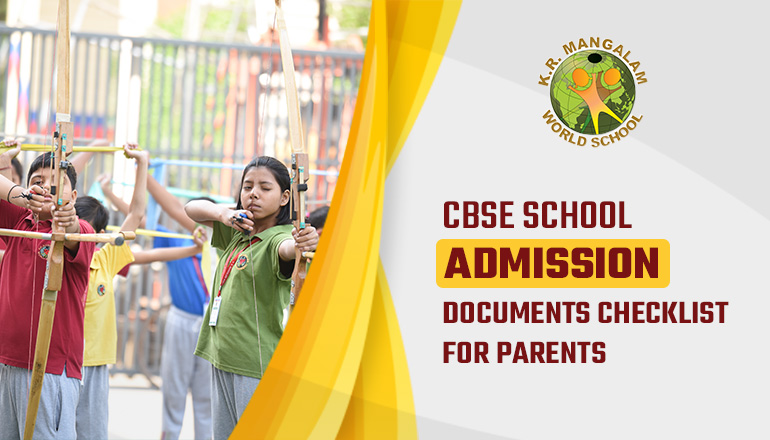
- Sports– team games like football, cricket, basketball, and volleyball, along with individual sports like athletics, table tennis, and taekwondo.
- Indoor strategy games– chess and carrom, which build patience and long-range thinking in a way physical sport doesn’t.
- Performing arts– music, dance, and drama, which give children a way to express themselves outside written or spoken language.
- Visual arts and craft– drawing, painting, and design-based activities that build creativity and fine motor skills.
- Clubs and societies– debate clubs, robotics or STEM clubs, and similar groups built around a specific interest or skill.
Each of these develops a different set of abilities, which is why schools that take co-curricular activities seriously usually offer a genuine spread across all of them, rather than leaning heavily on just sport or just the arts.
Sports: Where Losing Teaches More Than Winning
Take a child on the school football team who loses a close match in the final minutes. That’s not a wasted afternoon, it’s a lesson in handling disappointment that no classroom lecture can replicate quite as effectively. Sport puts children in situations where effort doesn’t always guarantee an outcome, and learning to show up again the next week anyway is a kind of resilience that carries directly into how they handle a disappointing exam result later.
There’s a physical side to this too, one that’s easy to overlook. Children who move regularly through sport tend to concentrate better once they’re back at their desks. It isn’t magic, physical activity genuinely affects focus and energy levels, which is part of why schools that take sport seriously often see it reflected in classroom engagement as well.
See Also: Why K.R. Mangalam Kundli Is the Best CBSE School in Sonipat for Your Child
Chess: Slowing a Child Down on Purpose
Chess looks quiet from the outside, which is probably why it gets treated as a lesser activity compared to sport. In practice, it does something sport can’t: it forces a child to sit still and think three, four, five moves ahead before acting. In a world that increasingly rewards instant reactions, chess is one of the few activities that deliberately trains patience and long-range thinking.
A child who plays chess regularly gets used to a specific, uncomfortable experience, making a decision, watching it fail, and having to work out exactly where the thinking went wrong. That habit of analyzing your own mistakes instead of just moving past them transfers surprisingly well to how a student approaches a tricky math problem or a poorly worded exam question.
The Arts: Giving Shape to Things Children Can’t Always Say Out Loud
Not every child processes the world through words. For some, a drawing, a piece of music, or a scene in a school play says something they wouldn’t know how to explain directly to a parent or teacher. Art, music, and drama give children a second language for their thoughts and feelings, one that doesn’t require getting the grammar right.
That comfort with being seen and evaluated in a non-academic setting often makes the academic version of the same pressure, a viva, a class presentation, a board exam, feel a little less overwhelming by comparison.
Wrapping Up!
If you’re a parent trying to decide how much time your child should spend on co-curricular activities versus revision, it doesn’t have to be an either-or decision. A child who plays chess twice a week, or spends an hour at football practice, isn’t losing study time, they’re building the focus, patience, and resilience that make the study time that follows more productive. The benefits of co-curricular activities show up gradually, not overnight, but parents who stick with it usually notice the difference within a year or two, in how their child handles setbacks, works in a group, and carries themselves outside the classroom.
Give Your Child Room to Discover More Than Marks
Academic results matter, but they’re only one part of the picture. If you’d like to understand how K.R. Mangalam World School Kundli co-curricular activities blends sports, chess, and the arts into everyday school life, reach out through krmangalamsonipat.com to learn more or plan a visit.