
 KRM Sonipat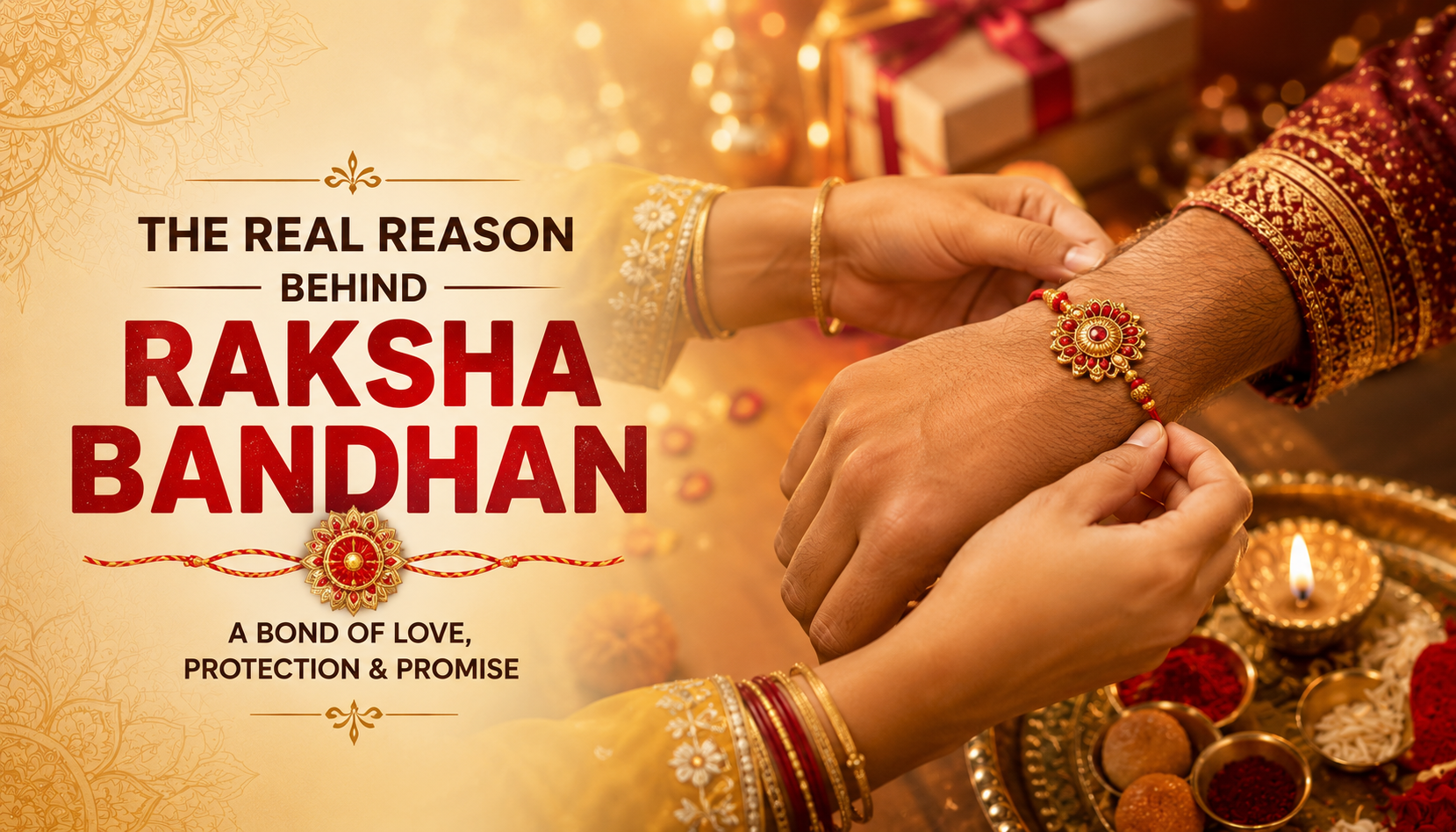
Every year, sisters tie a thread on their brother’s wrist known as Rakhi & brothers promise to protect them, and exchange sweets between them. This is Raksha Bandhan as most of us know it. But if you ask why this festival actually started, and why it still means so much after all these years, the answer goes a lot deeper than a piece of thread.
Real Reason Behind Raksha Bandhan Tradition?
The word “raksha” means “protection” and “bandhan” means “bond. Taken together it equates to a protective relationship. It’s the essence of the festival. This was never only a matter of tying a tie, it was much more than that. It was about a promise being made and someone saying to another, “I’ve got your back, no matter what.”
This is where Raksha Bandhan significance goes beyond the surface. In earlier times, the festival wasn’t limited to blood siblings. Anyone could tie a rakhi to anyone else, and it meant the same thing every time: I trust you, and I expect you to protect this trust. As years passed, it became close to the brother-sister relationship, but the meaning & emotions never changed.
The Historical Roots of Raksha Bandhan
People often ask why Rakhi is tied specifically on the wrist and not worn some other way. The reason is simple. The wrist is close to the pulse, close to the hands that work and protect and do things for others. Tying the thread there was a way of saying this promise isn’t just myth, it’s something carried along in everyday life.
There are old stories tied to this custom too:
- Draupadi is said to have tied a piece of cloth on Krishna’s wrist after he got hurt, and Krishna returned that favour years later when she needed help.
- Rani Karnavati of Chittor sent a rakhi to Emperor Humayun asking for protection, and he sent his army in response.
- In many households, the rakhi is also tied with a small prayer for the brother’s long life and wellbeing, a custom passed down without anyone questioning where it began.
Raksha Bandhan Tradition and Its Cultural Importance
Raksha Bandhan is an age-old tradition as it represents one of the most powerful bonds in the family.
The traditional ceremony usually includes:
- Sisters tying a rakhi on their brothers’ wrists
- Saying prayer and good wishes
- Giving sweets and spending time together and relishing it.
- Exchanging presents as a means of showing love
The festival is not only about the act of tying a thread. It is about creating a moment to appreciate the people who have been part of our journey.
Rakhi Festival Meaning in Modern Times
Families look different now than they did a few decades back. Siblings move to different cities, sometimes different countries, and everyone’s caught up in work and daily life. Even so, Raksha Bandhan hasn’t faded out. It’s simply adjusted to fit how people live now.
Here’s what that looks like in most homes now:
- A sister who can’t travel back home sends the rakhi by courier instead.
- Brothers and sisters who live oceans apart get on a video call so the day still feels shared.
- Some families move the celebration to a weekend if the actual date falls on a busy workday.
- Gifts have shifted too, from sweets and money to things like online transfers or a small parcel picked out together over a call.
The rakhi festival meaning hasn’t changed just because the method has. It’s still about one sibling letting the other know they’re thought of, and that the bond is still standing strong.
The Emotional Connection Behind the Celebration
Festivals often survive because they create emotional experiences, and Raksha Bandhan is a perfect example. The festival brings our childhood memories, family traditions and moments shared over the years back.
A simple rakhi can hold many years of memories, childhood squabbles, celebrations, family struggles and unconditional love. It turns into a sign of the transparent bond between siblings..
This is the emotional value of Raksha Bandhan that makes it more than just the rituals.
What is the Value of Rakhi Festival in Today’s World?
Now, families are smaller, siblings often live in different cities or countries, and daily life looks very different from what it was decades ago. Yet Raksha Bandhan hasn’t lost its place. If anything, it has adjusted to fit modern life.
- Now sisters send rakhis by courier when they are unable to reach there.
- Video calls have replaced in-person tying, especially for families spread across the world.
- But even with all these changes, the point of the day stays the same. It’s still about checking in on each other, about a sibling knowing someone is thinking of them and standing by them.
This is really the heart of Raksha Bandhan tradition. It was built to survive changes in lifestyle because it was never about the exact ritual. It was about the relationship the ritual represents.
Conclusion
The true Raksha Bandhan significance goes beyond the rakhi, sweets or celebrations. It shows a beautiful connection and relationship built on love, trust and responsibility.
If we know what Rakhi means, then we can clearly understand that it is not only a tradition that is done every year, but it is also a celebration of one of the most necessary relationships in life.
This Raksha Bandhan, while tying the sacred thread, takes a moment to celebrate the memories, emotions and promises that make sibling bonds truly special.